

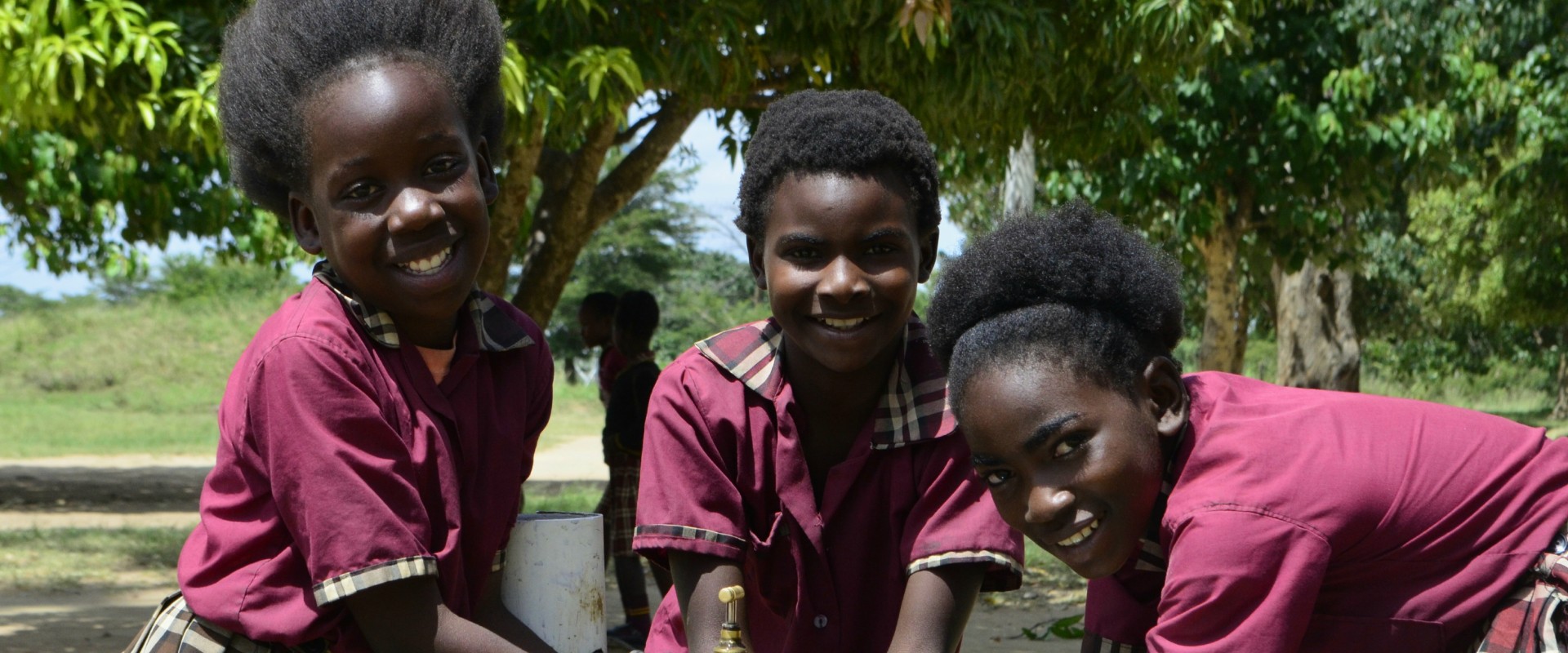
The Clean and Safe Drinking Water Project
In rural Zambia, access to clean drinking water remains a significant challenge, especially for vulnerable groups like children and expectant mothers. According to UNICEF, only about 53% of rural households have access to basic drinking water services, and just 19% have access to basic sanitation. Many families still rely on unsafe sources such as rivers and shallow wells, increasing the risk of waterborne diseases like cholera and diarrhea, which remain among the leading causes of illness and death in children under five.
Women and girls bear the brunt of this crisis. They often spend hours each day collecting water, limiting their time for education, income-generating activities, and rest. Poor sanitation facilities in schools and communities also contribute to high dropout rates among adolescent girls, particularly during menstruation.
Addressing water, sanitation, and hygiene (WASH) challenges is critical not only for health, but for promoting gender equality, education, and economic development across Zambia.
To address this challenge, ChildFund, in partnership with Procter & Gamble and other stakeholders, is leading a comprehensive water, sanitation, and hygiene (WASH) initiative to address challenges related to access to clean and safe drinking water which has long been a challenge, with significant impacts on health and well-being. Communities in districts like Mumbwa, Shibuyunji, and Nyimba face elevated risks of diarrheal diseases, especially among children under five, pregnant women, and individuals with compromised immunity.
Contaminated streams, rivers, and shallow wells are often the only water sources available. The burden falls disproportionately on women and girls, who are primarily responsible for water collection, an effort that can limit their educational and economic opportunities.
The overall goal of this project, valued at $621, 801 was to improve and enhance the sustainability of the health and well-being of 73,926 people through improved access to clean and safe drinking water and improved hygiene practices and sanitation in rural communities.
This project was designed to improve the health and wellbeing of vulnerable communities through the following key objectives:
- Expand access to safe and clean drinking water for 12,321 households previously relying on unsafe sources such as rivers, streams, hand-dug wells, and unprotected shallow wells, by the end of 2023.
- Enhance community awareness on the importance of safe water, adequate sanitation, and improved hygiene practices, including the proper use and maintenance of BioSand filters.
- Promote long-term sustainability by providing reliable water sources and integrating sanitation and hygiene interventions, including COVID-19 prevention measures, to ensure lasting impact.

Procter & Gamble (P&G)
Procter & Gamble (P&G) is a global leader in consumer goods, known not only for its trusted household brands but also for its commitment to improving lives through social impact initiatives. In Zambia, P&G partnered with ChildFund to support water, sanitation, and hygiene (WASH) programs aimed at increasing access to safe drinking water and promoting healthy hygiene practices in underserved communities. Through this collaboration, P&G contributed resources to enhance community water systems, construct sanitation facilities, and deliver hygiene education to children and families. This partnership aligns with P&G’s broader mission to build healthier, more resilient communities across the globe.
Learn more at https://csdw.org/
District Multisectoral Teams
Role: The district multisectoral teams in Mumbwa, Shibuyunji and Nyimba played a vital role by providing technical support and supervision to trained community-based volunteers, health workers, and school administrators to ensure quality and consistency in service delivery. They also supported training for traditional leaders, school and health staff, reinforcing local ownership. To promote sustainability, the teams helped integrate WASH activities into district development plans and advocated for continued investment in clean water and sanitation.
- Mumbwa
- Nyimba
- Shibuyunji
This project significantly improved access to safe water, sanitation, and hygiene practices across communities by reaching thousands of households, schools, and health facilities:
- 6,679 households were trained in essential hygiene and sanitation practices, promoting healthier living environments.
- 5,656 households received water purification sachets, enabling safer drinking water at the household level.
- 232 community-based volunteers were trained in safe water purification and storage techniques, strengthening local capacity for sustained impact.
- 176 traditional leaders and 30 district-level stakeholders were equipped with knowledge on various water purification methods, fostering community leadership in water safety.
- 17 health facilities and 17 schools were equipped with handwashing facilities, improving hygiene standards in critical public spaces.
- 2,982 learners across three districts were sensitized on proper hygiene practices, helping embed lifelong healthy habits.
- 12 BioSand filters were constructed to provide sustainable access to clean water for communities in need.
Latest News
I Grew Up Fearing My Father. I Don’t Want That Cycle to Continue – Fathers are Redefining Childcare in Chibombo, Petauke and Mumbwa Districts
Fathers who attend the training sessions are introduced to practical tools like...
Read More
How Communities in Mumbwa and Nyimba Are Ending Open Defecation
Anthony’s story is just one among many in his village, where families...
Read More
Clean water access helps Janet and other children stay healthy and in school in Mumbwa, Nyimba and Shibuyunji districts
For 11-year-old Janet and her family, for many years, access to clean...
Read MoreRelated Resources


Contact Us
SHARE VIA:


