So much depends on the first years of life.

Nutrition and health care, early learning opportunities, safe and loving environments — these are the building blocks that help young children thrive. Yet, for many children in Zambia, access to these essentials remains out of reach.

During the period of 0-3 years of age, interactions with infants — including smiling, touching, talking, storytelling, listening to music, reading books, and engaging in play — help to build neural connections which permanently strengthen a child’s ability to learn.

Crucially, at this formative stage of life, children need more than just classrooms. They need nurturing care, quality health services, protection, and the chance to play, explore, and learn. That’s why we’re committed to an integrated approach that combines health, learning, and child protection — creating safe, supportive environments where every child can reach their full potential.

Our Impact

Facts and  figures from 2024 data.

Our Approach

ChildFund’s ECD approach focuses on helping families, communities, local organizations and governments to create the conditions that the youngest children need for healthy development during their earliest years. By combining home-based care with center-based interventions and advocating for supportive policies, we create an ecosystem where children can thrive even in challenging circumstances.

A child’s journey begins at home — and parents and caregivers are their first and most important teachers. That’s why our Responsive and Protective Parenting program equips families with the tools they need to nurture their children’s development from the start.
Delivered through home visits, group sessions, and radio broadcasts, our programs prioritize quality parent-child play activities and promote “positive” or “responsive” parenting practices: ensuring that children have adequate supervision as well as proper nutrition, hygiene and sanitation. We train trusted community facilitators to lead parenting sessions on brain development, child safety, and positive parenting. Families facing additional challenges receive personalized support, including home-based coaching and referrals to essential services.
These interventions transform homes into safe, stimulating environments where children's earliest developmental needs are met with love and understanding.

As children grow, we support their development through structured, play-based learning for ages 3–5. We construct ECD centers, rehabilitate infrastructure, supply age-appropriate play materials, and train caregivers on early learning. Our play-based approach aligns with Zambia’s curriculum, promoting holistic growth—cognitive, emotional, physical, and social—while nurturing a love for learning. Knowing that well-nourished children learn better, we work closely with parents to provide nutritious midday meals that support healthy development. Through mentorship and strong community involvement, we build sustainable early learning environments that lay a solid foundation for children’s future success in school and life.

The transition from early childhood to primary school is a pivotal moment — one where a child’s early gains can be sustained or lost. We work hand in hand with primary schools to ensure children aged 6 to 8 continue to thrive by equipping teachers with child-centered teaching methods and strengthening collaboration between ECD centers and primary schools for smooth, supportive transitions.
This ensures that children enter primary school with confidence, in environments that nurture their curiosity and build on their early learning foundations. This continuity reduces dropout rates, helping every child stay on track with their education.

Recognizing that strong systems are key to lasting change, we align our work with the Ministry of Education ECD policy. This ensures our interventions — from teacher training to curriculum support — uphold national standards and contribute to the creation of cohesive, inclusive, and sustainable systems.
We work closely with the Ministry, particularly district education boards to enhance the skills and capacity of ECD caregivers and teachers. We support Centre Coordinating Tutors (CCTs) and District Inspectors of Schools (DIS) to mentor and coach educators on the use of the national Learning Framework and developmentally appropriate daily routines.
Beyond program delivery, we are also advancing policy reforms, promoting innovation in ECD practices, advocating for efficient resource allocation, and promoting meaningful engagement with a broad range of stakeholders to strengthen systems and scale sustainable change.


Sustainable transformation in early childhood development (ECD) requires collective and systemic change, with advocacy playing a critical role in influencing legislation and policy reform. To drive this agenda forward, ChildFund actively engages in ECD-focused professional networks and Technical Working Groups, including the Zambia National Early Childhood Action Network (ZECDAN), the Zambia National Education Coalition (ZANEC), the Education Sector Working Group (under Zambia Ministry of Education), and the Projects Coordinating Committee (PCC).

Featured Project

Strengthening Early Childhood Development Through Nurturing Care in Chibombo District

In rural communities across Katete, Petauke, and Chibombo districts, limited access to quality early childhood development services and parenting support has affected the health, safety, and overall well-being of children and their caregivers. To bridge this gap, ChildFund, with funding from Conrad N. Hilton Foundation, implemented the Nurturing Care Project between 2016 and 2023 to strengthen the delivery of ECD services at the community level.
Over the 8-year period, the project focused on promoting responsive caregiving and parenting education for pregnant women, including adolescents, and caregivers of children under the age of 5. Parenting support included equipping caregivers with essential knowledge and skills in early stimulation, nutrition, health, positive discipline, play-based learning, and emotional bonding.
The initiative reached more than 20,000 caregivers and over 30,000 children. It strengthened collaboration between local governments and communities and built the capacity of community health volunteers, ECD teachers, and child protection actors to promote nurturing care practices, ensuring children grow up in safe, healthy, and supportive environments. Watch this video to learn more.
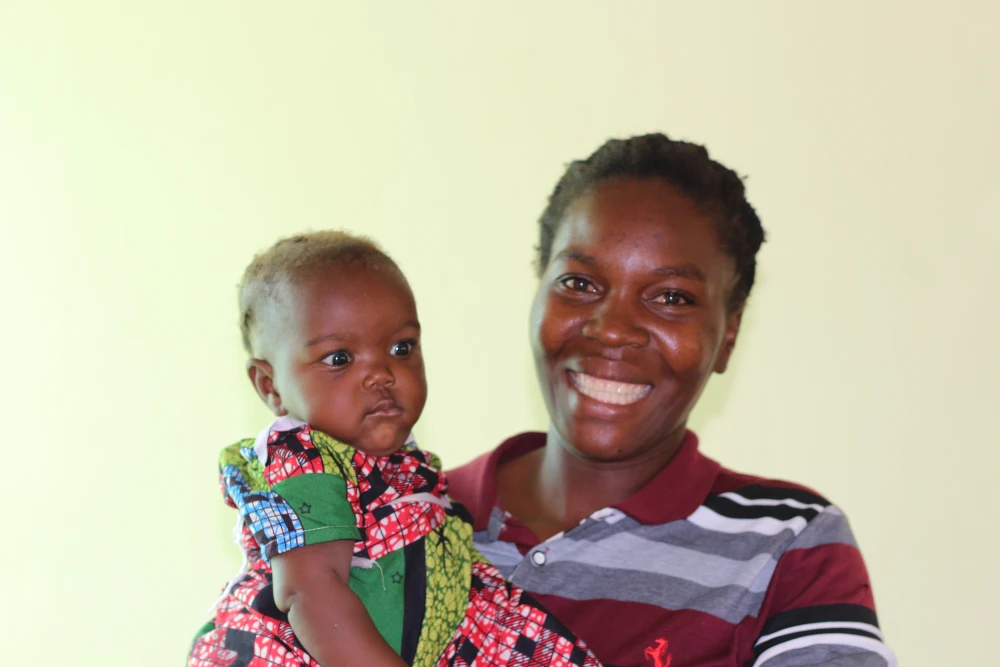

Crucially, at this formative stage of life, children need more than just classrooms. They need nurturing care, quality health services, protection, and the chance to play, explore, and learn.

What's New ?

  • All Posts
  • Child Protection
  • Child Sponsorship
  • Early Childhood Development
  • Education
  • Emergency Response
  • Environmental Sustainability
  • Expert Views
  • Food Security
  • Health & Nutrition
  • Localization
  • News & Stories
  • Press Releases
  • Water, Sanitation & Hygiene
  • Youth Development