In a significant step toward advancing youth development and rural transformation, ChildFund and AgriPredict have entered a strategic partnership that...
Communities in Zambia are increasingly vulnerable to the growing frequency and intensity of weather-related disasters such as droughts and floods. These challenges are compounded by land degradation, biodiversity loss, pollution, and waste, further disrupting livelihoods, deepening food insecurity, and intensifying competition over scarce resources like water and arable land. Such pressures often lead to resource-based conflicts at both community and household levels, placing children at heightened risk of violence, exploitation, poor health, and interrupted education.
ChildFund’s sustainability programs are designed to protect the environment and strengthen community resilience in the face of the triple planetary crisis—climate change, biodiversity loss, and pollution. Through school- and community-based adaptation initiatives, these programs also address peacebuilding and child protection concerns that emerge from environmental disasters and resource-related tensions.
ChildFund is committed to supporting the Government’s adaptation goals by enhancing resilience in vulnerable communities through our core programming in education, livelihoods, and child protection. These efforts not only build adaptive capacity but also integrate sustainable solutions that enable both children and nature to thrive.

Facts and figures from 2024 data.
We see what natural catastrophes do to children and youth who live on the frontlines of environmental shocks in the communities where we work. These events undo the developmental gains children and youth have made toward achieving their potential.
This requires a holistic response that embodies both adaptation and environmental care — across all levels of society — to ensure the continued achievement of positive outcomes with children across health, education, protection and livelihoods.
Our approach to community resilience focuses on creating a safe, clean, biodiverse, and sustainable environment where children and youth can grow up healthy, educated, and secure. We incorporate children’s unique needs and perspectives into local, national, and even global conversations about environmental action.
We prioritize young people’s right to participate, ensuring they have the tools and opportunities to lead environmental conservation and adaptation efforts. Whether through school clubs, youth-led advocacy, or community planning forums, we enable children and youth to speak out and take action for their future.
Together with our 5 local partners in 32 districts, we support families and communities in taking proactive, child-focused steps to adjust to environmental disruptions. This includes:
ChildFund strengthens the capacity of communities to prepare for and respond to environmental shocks. We equip communities with the necessary skills and resources to engage in alternative livelihoods and bolster resilience. By focusing on preparedness and proactive adaptation strategies, we help families to survive and thrive despite the challenges posed by changing weather patterns.
We support children and youth at the forefront of environmental challenges by providing opportunities, resources, and safe spaces for them to engage in environmental advocacy. We also equip them to influence policy decisions at local, national, and global levels, ensuring their voices are integral in shaping a sustainable future.
Every year, we support over 500 youth to participate in the Youth Day of Service (YDoS), a month-long campaign celebrated alongside the UN International Youth Day in August. This initiative empowers young people to take the lead in creating impactful solutions to address environmental challenges in their communities. Learn more.
In Zambia, over 80% of households rely on firewood or charcoal for cooking, contributing to deforestation and household air pollution, both major health and environmental concerns. Women and girls are most affected, spending hours collecting firewood daily, which limits time for school, income-generating activities, and rest.
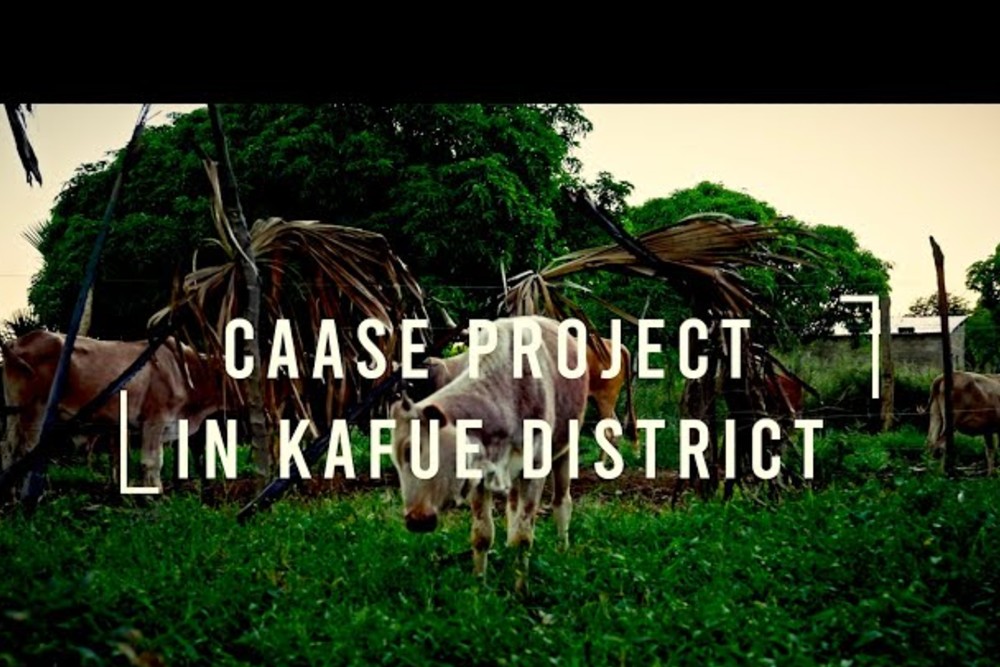
To address this, ChildFund, through the Kafue Child Development Agency, is implementing the Community Adaptation to Alternative Sources of Energy (CAASE) Project in Kafue District. The project equips families with biodigesters that turn organic waste into clean biogas for cooking and nutrient-rich slurry for farming. This shift reduces pressure on forests, improves agricultural productivity, cuts down household energy costs, and promotes greater gender equity in domestic roles. 60 percent of families in Kafue are now using this alternative source of energy. Watch the video below to learn more.

In a significant step toward advancing youth development and rural transformation, ChildFund and AgriPredict have entered a strategic partnership that...

In today’s rapidly changing world, the green economy is emerging as one of the most promising areas for job creation,...

Over 80% of households in Zambia rely on firewood or charcoal for cooking, contributing to deforestation and household air pollution—both...