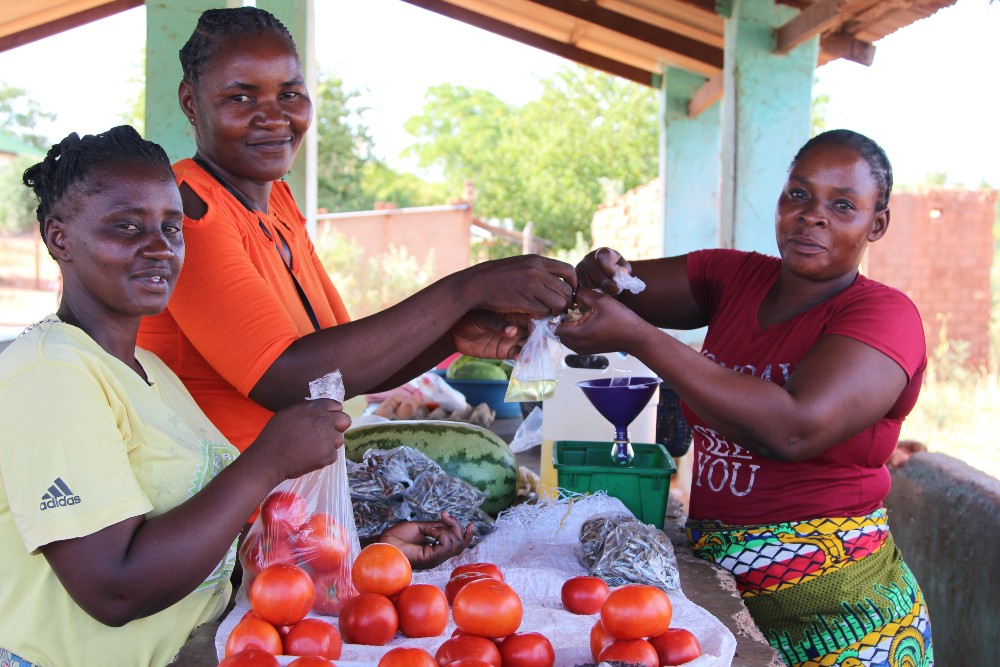
Sustainable agricultural practices are key to achieving zero hunger and ensuring food security for all.

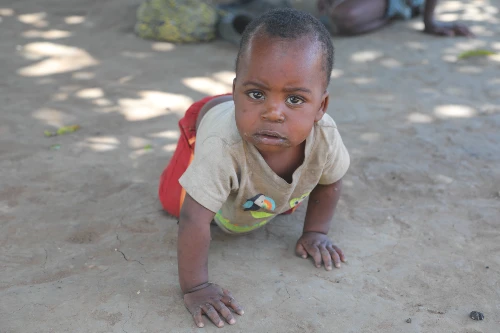
Food insecurity remains a significant challenge in Zambia, with 48% of the population unable to meet their minimum calorie requirements and 35% of children experiencing stunted growth due to malnutrition. The country is currently grappling with one of the worst droughts on record, largely driven by the effects of El Niño, which continues to severely impact food production and essential support services.

Recent data indicates that 5 million Zambians suffered from severe food insecurity at the end of the 2023/24 farming season, a sharp increase compared to previous years. The prevalence of food insecurity rose from 15% between 2014 and 2016 to 28% between 2020 and 2022. Contributing factors include erratic weather patterns, rising inflation, and the lingering effects of the COVID-19 pandemic, all of which have worsened the crisis.

ChildFund’s programs address the root causes of food insecurity by promoting sustainable agricultural practices, improving market access, and strengthening household resilience to shocks such as environmental changes. Beyond agricultural support, ChildFund also prioritizes nutrition, especially for children and pregnant women, to effectively combat malnutrition.

Our Impact

Facts and  figures from 2024 data.

Our Approach

ChildFund addresses the root causes of food insecurity through a comprehensive strategy focused on long-term solutions rather than temporary relief. Working through local partners in 10 districts, ChildFund implements food security programs that improve nutrition and livelihoods for vulnerable communities. These initiatives emphasize household economic strengthening, environmental resilience, and emergency response to ensure families have reliable access to sufficient and nutritious food.

Agriculture is the backbone of Zambia’s economy. By promoting environmentally-friendly farming techniques, ChildFund helps farmers increase productivity through better seeds, tools, and sustainable farming practices. We provide training, resources, and equipment to smallholder farmers to help increase agricultural productivity and diversify income sources while promoting economic growth.

To support smallholder farmers, ChildFund, in partnership with the Ministry of Agriculture, provides training in sustainable farming practices, business management, and financial literacy. We also supply essential resources, including seeds, tools, and livestock, to help strengthen agricultural and economic activities.

Our programs focus on improving nutrition through school feeding initiatives, nutritional education especially for pregnant and lactating mothers, and the promotion of kitchen gardens, all aimed at enhancing dietary diversity and reducing malnutrition.

In times of crisis, ChildFund takes a proactive approach to assess and support households struggling to secure food. Through our safety net program, we provide immediate assistance, ensuring families have access to vital nutrition during emergencies.

In partnership with local organizations, ChildFund connects farmers to both local and regional markets, helping them sell their produce at fair prices. We provide critical market information, and establish direct connections between farmers and buyers to ensure fair trade.

Through income diversification, savings groups, and community-based disaster risk reduction strategies, we support families to withstand environmental shocks and build sustainable livelihoods.

Our livelihood programs aim to enhance the economic well-being of youth, their families and communities. To achieve this, ChildFund provides entrepreneurship training, offers startup capital for economic ventures, promotes financial literacy and supports youth-led initiatives that boost household income and foster financial independence.

Featured Project

Goat Farming Promotion Project in Rural Zambia

In rural Zambia, where poverty and food insecurity remain high, the Goat pass on Promotion Project is helping families build resilient, sustainable livelihoods. Through the provision of goats and training in livestock management and entrepreneurship, over 30,000 households in 10 districts supported by ChildFund have improved their nutrition, increased incomes, and strengthened their ability to cope with environmental shocks.
This initiative is part of ChildFund’s broader efforts to support education, health, and economic development in Zambia.

What's New ?

  • All Posts
  • Child Protection
  • Child Sponsorship
  • Early Childhood Development
  • Education
  • Emergency Response
  • Environmental Sustainability
  • Expert Views
  • Food Security
  • Health & Nutrition
  • Localization
  • News & Stories
  • Press Releases
  • Water, Sanitation & Hygiene
  • Youth Development