Every child, no matter where they live, has the right to safe water and sanitation.

In Zambia, poor water, sanitation, and hygiene (WASH) conditions continue to threaten the health, safety, and development of children. Limited access to clean water and proper sanitation fuels the spread of diseases like cholera and diarrhea—leading causes of child mortality, malnutrition, and stunted growth. Inadequate WASH facilities in schools hinder learning and attendance, especially for girls during menstruation, while under-resourced healthcare settings increase the risk of infection and death for mothers and newborns. These challenges are intensified by environmental changes, which brings more frequent droughts and floods. Improving WASH is essential to securing a healthier and brighter future for Zambia’s children.

According to UNICEF, 64 % of households lack access to basic water services, whilst 82 % lack basic hygiene facilities. To address these challenges, ChildFund implements comprehensive interventions at both the community and household levels to improve access to safe water and sanitation facilities, while educating children and families on healthy hygiene practices to reduce the incidence of waterborne diseases.

Through school-based WASH initiatives, we enhance children’s learning outcomes and retention by ensuring clean, safe, and healthy learning environments. At the same time, we strengthen community health by training  local authorities and service providers and local water and sanitation committees to manage water sources.
Our Impact

Facts and  figures from 2024 data.

Our Approach

We implement comprehensive WASH interventions in communities, schools, and health facilities to improve access to safe water, sanitation, and hygiene, with the goal of reducing preventable diseases, promoting dignity, and fostering healthier environments.

ChildFund works with local communities to improve basic hygiene services and increase access to safe, clean drinking water. These efforts aim to reduce the risk of waterborne diseases such as diarrhea and cholera. Through behavior change campaigns, communities are empowered to adopt proper handwashing practices, menstrual hygiene management, and safe waste disposal. ChildFund also partners with local leaders and health workers to strengthen ownership, ensure sustainability, and support long-term maintenance of WASH infrastructure.

Improving WASH in schools is essential for promoting children’s health, reducing absenteeism, and supporting academic achievement. Using the Ministry of Education model, ChildFund supports the implementation of sustainable WASH infrastructure in schools. Key interventions include:

  • Construction of modern, gender-sensitive and disability-friendly sanitation facilities.
  • Installation of handwashing stations and water storage tanks.
  • Hygiene education and menstrual hygiene support for adolescent girls.

These measures promote dignity, enable regular school attendance, especially for girls during menstruation, and foster a safe and healthy learning environment.

In many underserved communities, health centers and rural health posts lack access to clean water, adequate sanitation, and proper hygiene facilities, putting patients and healthcare workers at risk of infection and compromising the quality of care.

To address this urgent need, ChildFund, in collaboration with local implementing partners, is strengthening WASH (Water, Sanitation and Hygiene) services in healthcare settings to create safer, more resilient care environments. Our interventions include:

  • Installing reliable water supply systems and hand hygiene stations at key points of care
  • Upgrading sanitation facilities within health centers and rural health posts
  • Training healthcare workers in infection prevention and control (IPC), including hand hygiene, waste segregation, and environmental cleaning.

Featured Project

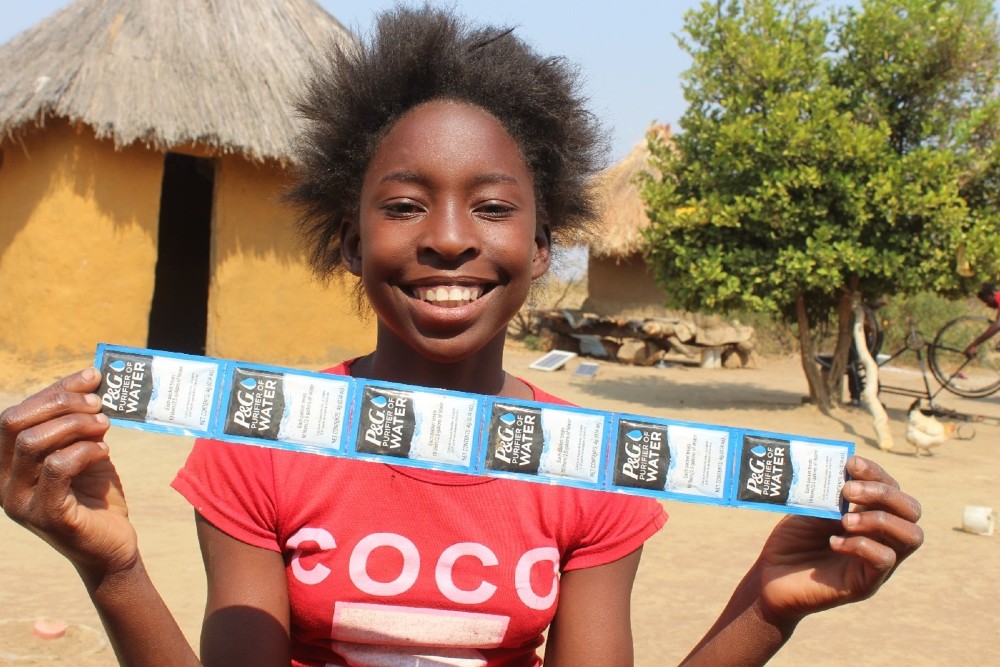
ChildFund partners with DuPont and Davis & Shirtliff to Commission the Muchimadzi Water Project in Nyimba District

Access to clean and safe drinking water is essential for good health, yet communities around Mchimadzi Health Post in Nyimba District have long relied on contaminated sources, including a nearby stream, that posed serious health risks. Poor water quality, marked by high levels of iron, bacteria, turbidity, and discoloration, made the community, especially children, vulnerable to waterborne diseases that threaten lifelong health and development. 

To address this urgent need, ChildFund, with support from DuPont and Davis & Shirtliff, commissioned an ultra-filtration water purification plant in Nyimba. This Kwacha 2 million initiative is transforming lives by providing access to clean and safe water for 180 households, 670 learners, and 35 teaching staff. In addition, more than 1,500 people who visit Mchimadzi Clinic each month now benefit from a safe and reliable water supply, making healthcare delivery safer and more effective.

What's New ?

  • All Posts
  • Child Protection
  • Child Sponsorship
  • Early Childhood Development
  • Education
  • Emergency Response
  • Environmental Sustainability
  • Expert Views
  • Food Security
  • Health & Nutrition
  • Localization
  • News & Stories
  • Press Releases
  • Water, Sanitation & Hygiene
  • Youth Development